
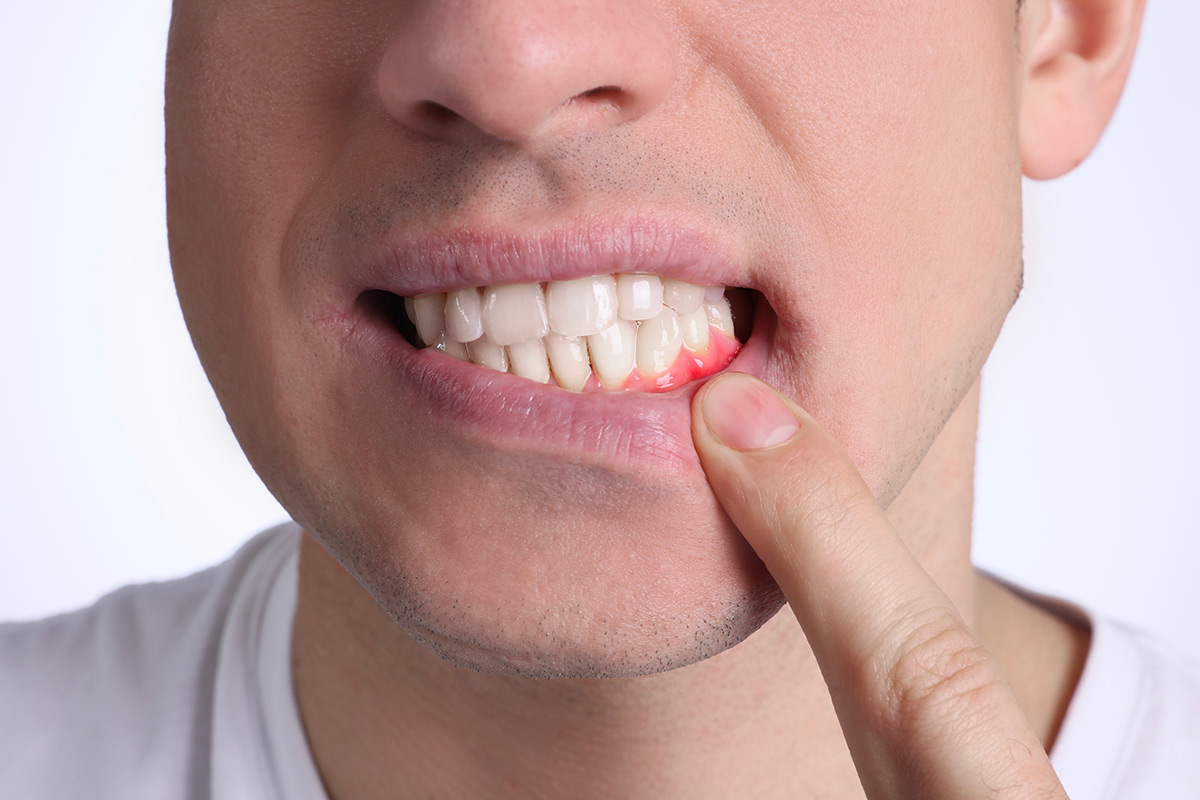
Have you noticed a little blood in the sink after brushing your teeth? Perhaps your gums feel tender when you floss, or you have been experiencing persistent bad breath despite following your usual oral hygiene routine. Because these symptoms do not always cause significant pain, they can be easy to overlook. However, bleeding gums may be an early indication that your gum health needs attention.
Healthy gums provide essential support for your teeth. When inflammation or infection develops, the structures responsible for keeping your teeth stable can gradually become damaged. At Alexandra Park Dental, our periodontal therapy in Leduc focuses on managing gum disease, reducing inflammation, and helping patients maintain healthier supporting tissues.
Understanding why your gums bleed, recognizing the symptoms of gum disease, and learning about available periodontal treatments can help you make informed decisions about your long-term oral health.
Why Do My Gums Bleed When I Brush or Floss?
Bleeding gums can develop for several reasons. However, one of the most common causes is inflammation associated with plaque accumulation along the gumline.
Plaque is a sticky film containing bacteria that develops on the surfaces of your teeth throughout the day. When it is not removed effectively, these bacteria can irritate the surrounding gum tissue.
As inflammation develops, your gums may become more sensitive and prone to bleeding during brushing or flossing.
Other factors that may contribute to bleeding gums include:
- Brushing with excessive pressure or using a hard-bristled toothbrush
- Inconsistent cleaning between the teeth
- Hormonal changes during pregnancy
- Certain medications or medical conditions
- Poorly fitting dental restorations or appliances
- Changes in oral hygiene habits
- Gingivitis or more advanced periodontal disease
Although occasional bleeding may occur for different reasons, recurring bleeding should not be considered a normal part of maintaining your teeth. A dental examination can help identify the cause and determine whether gum disease treatment is necessary.
What Is Gum Disease?
Gum disease describes conditions that affect the tissues surrounding and supporting your teeth. It commonly begins when bacteria accumulate around the gumline and trigger inflammation.
The earliest stage of plaque-related gum disease is called gingivitis. At this stage, the gums may appear red, swollen, or tender, and bleeding may occur during brushing or flossing.
Fortunately, gingivitis can often be reversed with appropriate professional care and improved daily oral hygiene.
However, untreated gingivitis can progress to periodontitis in susceptible individuals. This more advanced condition affects the connective tissues and bone responsible for supporting teeth.
Unlike gingivitis, the damage caused by periodontitis cannot always be fully reversed. Nevertheless, appropriate periodontal therapy can help control the condition and reduce the risk of further tissue loss.
Early Warning Signs of Gum Disease
One reason periodontal disease can be difficult to recognize is that significant changes may develop without causing intense discomfort.
Therefore, paying attention to subtle changes in your mouth is important.
Common symptoms associated with gum disease include:
- Bleeding gums during brushing or flossing
- Red, swollen, or irritated gum tissue
- Persistent bad breath
- Gums that appear to be pulling away from the teeth
- Increased sensitivity near exposed tooth roots
- Tenderness when cleaning around certain teeth
- Changes in the spacing between teeth
- Loose permanent teeth
- Discomfort when chewing
Not every symptom confirms periodontal disease. For example, gum recession can also occur because of brushing habits or other factors. A professional assessment helps determine whether inflammation, infection, or another condition is responsible.
Why Are My Gums Receding?
Gum recession occurs when the edge of the gum tissue moves away from its previous position, exposing more of the tooth or its root.
For some patients, the first noticeable symptom is increased sensitivity near the gumline. Others may notice that certain teeth appear longer or that small gaps have developed between their teeth.
Periodontal disease is one possible cause of gum recession. However, aggressive brushing, tooth positioning, and individual differences in gum thickness can also contribute.
Because exposed roots are less protected than the enamel covering the crown of a tooth, recession can increase the risk of sensitivity and root decay.
Furthermore, recession associated with periodontal disease may indicate that the supporting tissues require treatment.
Your dentist can evaluate the affected areas and recommend a personalized approach based on the underlying cause.
Can Gum Disease Cause Persistent Bad Breath?
Bad breath can have several causes, including dry mouth, certain foods, tobacco use, and inadequate oral hygiene. However, periodontal disease is another potential contributor.
Bacteria that accumulate around the teeth and beneath the gums can produce compounds associated with unpleasant odours.
Although mouthwash may temporarily improve the way your breath smells, it does not necessarily remove hardened deposits or address deeper periodontal inflammation.
If bad breath continues despite regular brushing, cleaning between your teeth, and maintaining good hydration, a dental examination may help identify whether gum disease is involved.
How Does a Dentist Diagnose Gum Disease?
Diagnosing periodontal disease involves more than simply looking at the colour of your gums.
During an examination, your dental team evaluates the condition of your gum tissue and assesses the areas where the gums meet the teeth.
A small measuring instrument may be used to determine the depth of the spaces around individual teeth. These measurements help identify whether abnormal periodontal pockets have developed.
Additionally, the dentist may assess bleeding, gum recession, tooth mobility, and other signs of inflammation.
Dental X-rays may be recommended to evaluate the bone supporting your teeth.
Together, these findings help determine whether you have gingivitis, periodontitis, or another oral health concern requiring treatment.
At Alexandra Park Dental, routine dental checkups and cleanings in Leduc provide an opportunity to monitor gum health and recognize changes before they become more difficult to manage.
What Is Periodontal Therapy?
Periodontal therapy refers to treatments designed to manage conditions affecting the gums and supporting structures of the teeth.
Depending on the severity of gum disease, treatment may involve professional cleaning procedures that extend beneath the gumline.
One commonly recommended approach is scaling and root planing, sometimes referred to as deep dental cleaning.
Scaling
Scaling involves removing plaque and hardened deposits, known as calculus or tartar, from the surfaces of the teeth. When periodontal pockets are present, deposits beneath the gumline may also require removal.
Root Planing
Root planing involves carefully cleaning and smoothing affected root surfaces as appropriate. This helps create an environment where inflammation can decrease and the gum tissues may heal more effectively.
Periodontal Maintenance
After initial treatment, patients with a history of periodontitis may require ongoing periodontal maintenance appointments.
These visits help monitor gum health, manage bacterial accumulation, and identify areas where additional treatment may be necessary.
More advanced periodontal conditions may require additional procedures or referral to a periodontal specialist.
Benefits of Gum Disease Treatment
- Reduced gum inflammation: Appropriate periodontal care helps address bacterial deposits that contribute to irritated and swollen gums.
- Less bleeding during oral hygiene: As gum inflammation improves, patients may notice reduced bleeding when brushing or flossing.
- Protection of supporting bone: Managing periodontal disease helps reduce the risk of continued damage to the structures supporting your teeth.
- Improved breath freshness: Removing bacterial deposits may help reduce unpleasant odours associated with gum disease.
- Preservation of natural teeth: Long-term periodontal care can help maintain tooth stability and reduce the risk of tooth loss.
- Improved oral comfort: Addressing inflamed tissues may reduce tenderness during eating and daily cleaning.
- Personalized preventive care: Patients receive practical guidance about maintaining healthier gums between dental appointments.
Who Is More Likely to Develop Gum Disease?
Although periodontal disease can affect people of different ages, certain factors may increase susceptibility or make existing conditions more difficult to manage.
Smoking is an important risk factor because it can affect gum health and interfere with healing. Furthermore, smoking may make bleeding less noticeable, even when periodontal disease is present.
Diabetes, particularly when blood glucose is not well controlled, can also increase the likelihood of periodontal complications.
Additional factors may include genetic susceptibility, dry mouth, certain medications, and difficulty maintaining effective oral hygiene.
Informing your dentist about your medical history allows your dental team to develop a care plan that considers your individual needs.
How to Improve Gum Health at Home
Professional periodontal treatment works best when supported by consistent daily oral hygiene.
Brush your teeth twice daily using fluoride toothpaste and a soft-bristled toothbrush. Focus on gently cleaning along the gumline rather than applying excessive pressure.
Additionally, clean between your teeth every day using floss, interdental brushes, or another method recommended by your dental team.
If your gums bleed when you begin cleaning between your teeth consistently, do not automatically stop. Gentle, appropriate cleaning can help reduce plaque-related inflammation over time. However, persistent or significant bleeding should be evaluated.
Maintaining good hydration, avoiding tobacco products, and managing relevant medical conditions can also support gum health.
Remember that hardened tartar cannot generally be removed through ordinary brushing alone. Professional dental cleaning remains an essential part of managing periodontal health.
When Should You Seek Urgent Dental Care for Gum Problems?
Although many gum concerns develop gradually, some symptoms require more immediate attention.
For example, sudden swelling, severe tenderness, drainage, or rapid changes around a tooth may indicate an acute infection or another urgent dental problem.
Alexandra Park Dental provides emergency dentistry in Leduc for patients experiencing urgent oral health concerns.
If swelling spreads rapidly or affects your ability to breathe or swallow, seek immediate medical attention.
Frequently Asked Questions About Gum Disease Treatment
Are bleeding gums normal?
Recurring bleeding is not something you should ignore. It may indicate inflammation, an oral hygiene concern, or another condition requiring professional assessment.
Can gingivitis be reversed?
Plaque-related gingivitis can often be reversed through professional cleaning and effective daily oral hygiene.
Can receding gums grow back naturally?
Lost gum tissue generally does not grow back on its own. Treatment focuses on identifying the cause, preventing further recession, and discussing restorative options when appropriate.
Is deep dental cleaning painful?
Comfort varies depending on tissue sensitivity and the extent of treatment. Local anesthesia may be used when appropriate.
Can gum disease cause teeth to become loose?
Yes. Advanced periodontal disease can damage the bone and connective tissues supporting teeth, potentially affecting their stability.
How often should I have periodontal maintenance?
The recommended interval depends on your gum health, previous treatment, and individual risk factors. Your dental team can establish an appropriate schedule.
Protect Your Natural Teeth With Gum Disease Treatment in Leduc
Bleeding gums, persistent bad breath, and gum recession may develop gradually, but they deserve attention. Identifying the cause early can help you understand your oral health and take practical steps toward protecting your teeth and supporting tissues.
If you are experiencing symptoms of gum disease, contact Alexandra Park Dental in Leduc at (780) 986-6500 to book an appointment. Our team can assess your gum health and help you determine whether periodontal therapy is appropriate for your needs.