
TMD (TMJ Disorder)
Understanding Jaw Pain, Headaches, and Facial Tension
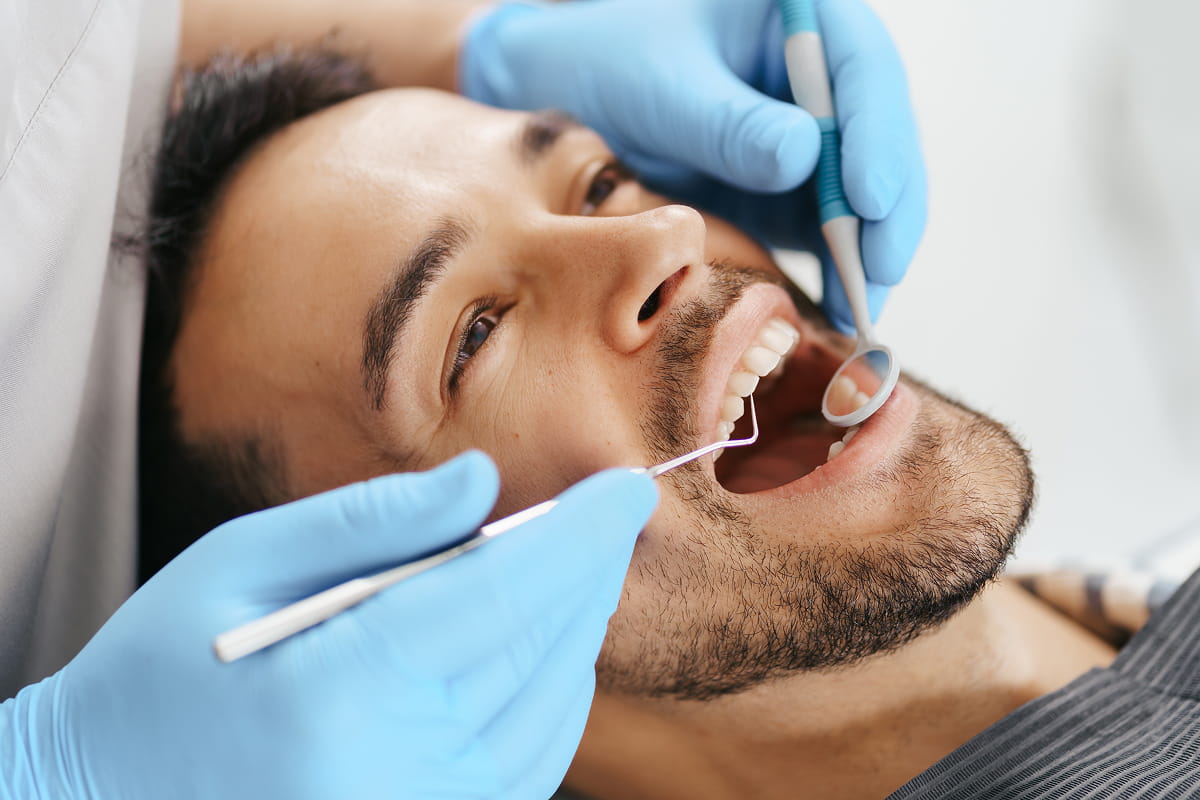
The temporomandibular joints connect the jaw to the skull and play a role in nearly every daily function, from chewing to speaking. When these joints or surrounding muscles become strained, it can lead to a collection of symptoms known as temporomandibular disorder (TMD).
TMD can develop gradually and often presents with:
- Jaw pain, stiffness, or limited movement
- Clicking, popping, or locking of the jaw
- Frequent headaches or facial pain
- Neck or shoulder tension
- Discomfort when chewing or yawning

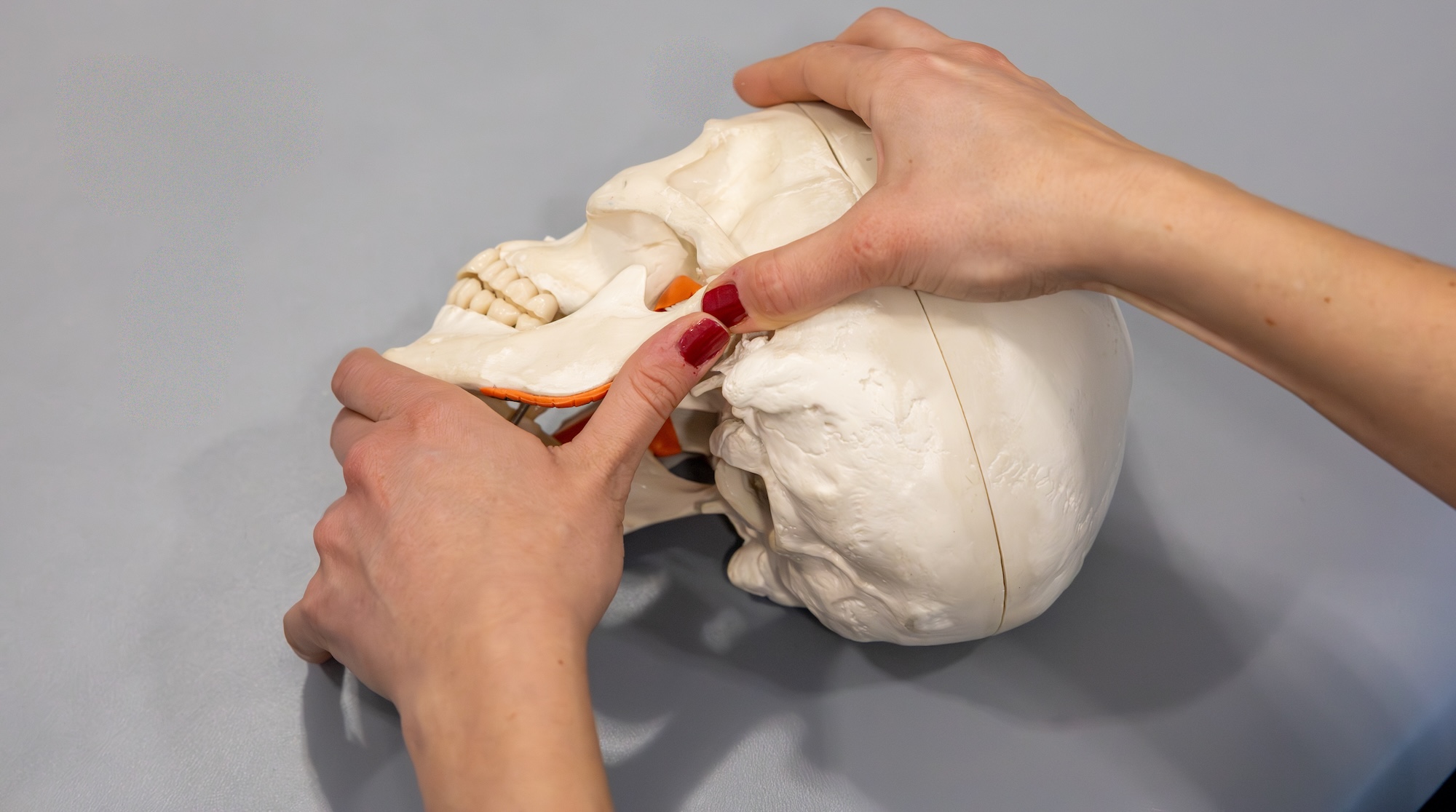
These symptoms may be linked to bite imbalances, clenching or grinding, stress, airway concerns, or joint inflammation. Because multiple factors are often involved, effective treatment begins with a comprehensive assessment.
At Alexandra Park Dental, Dr. Richard Lee evaluates jaw function, bite alignment, muscle activity, and overall oral health to identify contributing factors. Treatment is personalized and may include custom oral appliances, bite therapy, supportive care, and in some cases, Botox therapy to help relax overactive jaw muscles and reduce tension-related discomfort.
Addressing TMD early can help prevent worsening symptoms and improve daily comfort.