
Imagine enjoying lunch when you suddenly feel something hard in your mouth. At first, you think it might be part of your food. Then you realize a dental filling has fallen out or a crown has come loose. Although the situation may not seem as serious as a broken tooth or severe toothache, losing a dental restoration can leave your tooth vulnerable to discomfort and further damage.
When a filling or crown comes out unexpectedly, knowing how to respond can help protect your tooth until you receive professional care. At Alexandra Park Dental, our emergency dentistry in Leduc helps patients manage unexpected dental problems, including damaged restorations, lost fillings, loose crowns, and sudden tooth sensitivity.
While not every lost filling or crown requires immediate treatment, some situations should be assessed promptly. Understanding the warning signs, possible causes, and available treatment options can help you make the right decision for your oral health.
Why Do Dental Fillings and Crowns Fall Out?
Dental fillings and crowns are designed to restore teeth that have been affected by decay, damage, or structural weakness. However, these restorations experience pressure every day through chewing, biting, and other normal activities.
Over time, a filling may wear down or lose its seal. Similarly, a crown can become loose if the cement holding it in place deteriorates or the underlying tooth changes.
Common reasons dental restorations become loose or fall out include:
- Normal wear from years of chewing and biting
- New decay developing around an existing filling or crown
- Grinding or clenching the teeth
- Biting unexpectedly hard foods or objects
- Damage to the underlying tooth structure
- A fractured or weakened dental restoration
- Changes in the fit of an older crown
- Trauma caused by a fall, collision, or other accident
Sometimes a restoration becomes loose gradually, while other times it falls out without warning. In either case, a dental examination can help determine why the restoration failed and whether the tooth needs additional treatment.
Is a Lost Filling a Dental Emergency?
A lost filling does not automatically mean you need immediate emergency treatment. However, it should not be ignored, especially if the tooth becomes painful or sensitive.
When a filling falls out, the previously protected portion of the tooth may become exposed. Depending on the size and location of the filling, this can create sensitivity to cold drinks, hot foods, sweets, or pressure while chewing.
Additionally, food particles and bacteria may collect in the exposed area. If the tooth is already weakened, chewing can place additional stress on its remaining structure.
You should contact an emergency dentist promptly if the lost filling causes severe pain, significant sensitivity, swelling, or difficulty eating. Likewise, a large missing filling that leaves the tooth visibly damaged deserves timely assessment.
If the tooth is comfortable and the opening is small, your dentist may determine that the problem can be managed through a scheduled appointment. Nevertheless, calling the office is the best way to determine how soon treatment should occur.
What Should You Do Immediately After Losing a Filling?
First, avoid chewing on the affected side of your mouth. A tooth that has lost a filling may be more vulnerable to pressure, particularly if a large portion of the original tooth was previously restored.
Next, gently rinse your mouth with lukewarm water to remove food particles. Continue brushing carefully around the affected tooth, but avoid aggressive cleaning that causes discomfort.
If the exposed area has a rough edge, temporary dental filling material available at some pharmacies may provide short-term protection when used according to the product instructions. However, temporary materials are not a replacement for professional dental treatment.
Choose softer foods and avoid sticky candy, hard snacks, or extremely hot and cold foods if they trigger sensitivity.
Most importantly, contact your dentist to explain what happened. Describe whether the tooth hurts, how large the missing filling appears to be, and whether the tooth feels sharp or broken.
What Happens When a Dental Crown Falls Off?
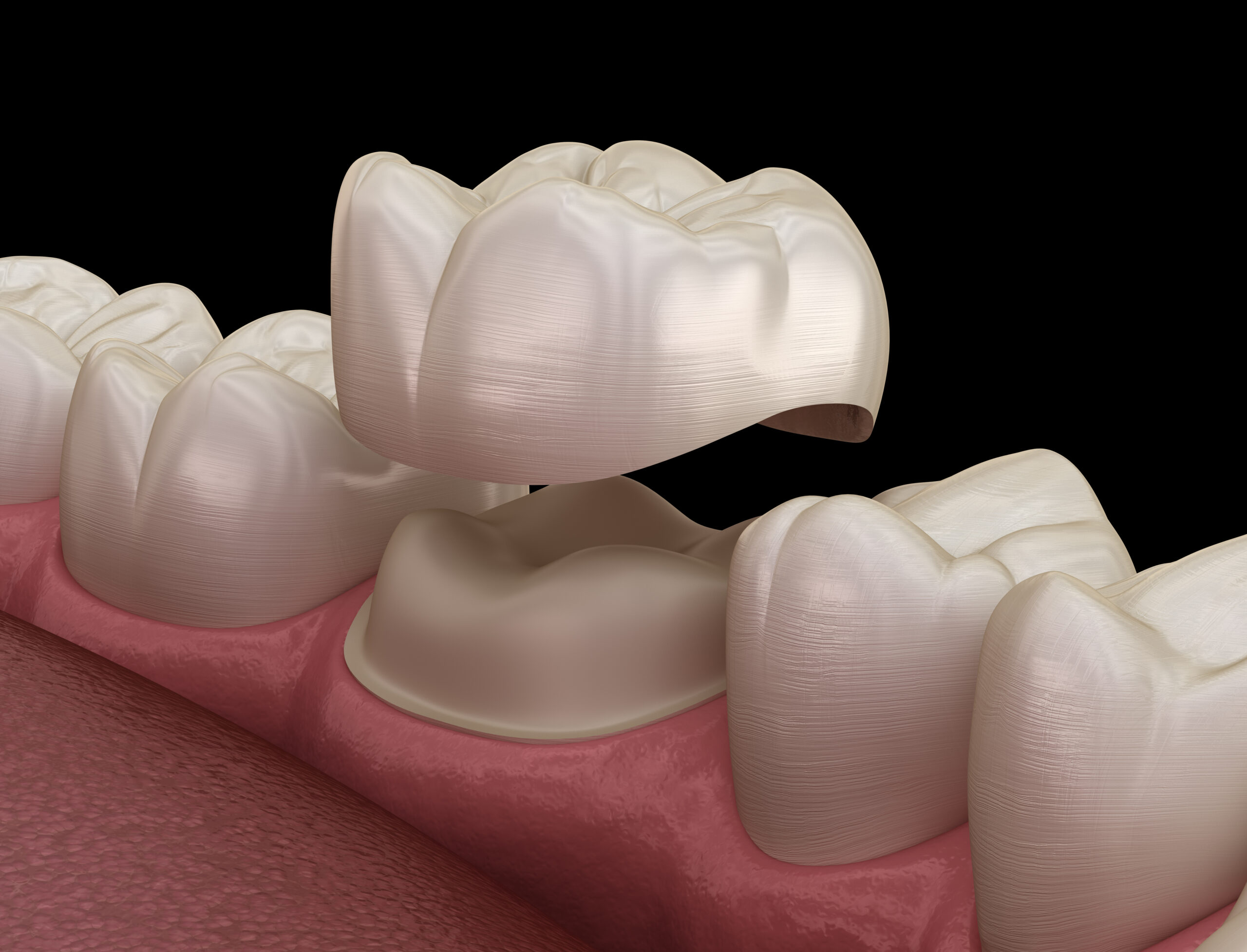
A dental crown covers the visible portion of a tooth to restore its shape, strength, and function. Crowns are commonly recommended for teeth with extensive damage, large restorations, or other structural concerns.
When a crown becomes loose or falls off, the prepared tooth underneath may be exposed. This can cause sensitivity and leave the tooth vulnerable to further damage.
If your crown comes out, locate it and place it in a clean container. Bring it to your dental appointment because your dentist may be able to evaluate whether it can be reused.
Do not attempt to permanently reattach the crown using household glue or other non-dental adhesives. These products are not designed for use inside the mouth and may damage the tooth or restoration.
Alexandra Park Dental offers dental crowns and bridges in Leduc to help restore damaged teeth and support comfortable chewing. Depending on the condition of your tooth and existing crown, your dentist can explain whether recementation, repair, or replacement is appropriate.
Can You Eat With a Missing Crown or Filling?
Although eating may still be possible, you should take precautions until your tooth has been evaluated.
Choose foods that require minimal chewing, such as scrambled eggs, soft vegetables, oatmeal, yogurt, or soup that is not excessively hot. Whenever possible, chew on the opposite side of your mouth.
Avoid hard foods that could fracture exposed tooth structure. Sticky foods can also create problems because they may pull at a loose restoration or place pressure on an already weakened tooth.
If temperature sensitivity is present, choose foods and drinks closer to room temperature. Additionally, avoid repeatedly touching the exposed area with your tongue or fingers.
These precautions can help reduce irritation, but they do not eliminate the need for professional care.
How Does a Dentist Repair a Lost Filling?
Treatment depends on how much tooth structure remains and whether decay or other damage is present.
During your appointment, the dentist will examine the affected tooth and may recommend dental imaging. The goal is to determine whether the tooth can support another filling or requires a different type of restoration.
If the remaining tooth is healthy and the damage is limited, replacing the filling may be appropriate. However, a larger area of missing tooth structure may require a crown to provide additional protection.
When decay or a fracture extends deeper into the tooth, additional treatment may be necessary before a new restoration can be placed.
Alexandra Park Dental also provides root canal therapy in Leduc when treatment of the inner tooth tissues is indicated. However, not every lost filling or crown requires this procedure.
Your dentist will explain the findings and recommend treatment based on your specific situation.
Can a Loose Crown Be Reattached?
In some circumstances, a crown that has fallen off can be cleaned, evaluated, and recemented. However, successful recementation depends on several factors.
The crown must be structurally sound, and the underlying tooth must still provide appropriate support. If decay has developed beneath the restoration or the tooth has fractured, simply replacing the crown may not resolve the problem.
Likewise, a crown that no longer fits properly may need to be replaced.
Rather than assuming that a loose crown needs an entirely new restoration, bring the existing crown to your appointment. Your dentist can determine which approach is suitable.
Benefits of Emergency Dental Care for a Lost Filling or Crown
- Protection of exposed tooth structure: Prompt assessment helps identify areas that may be vulnerable to further damage.
- Relief from sensitivity: Appropriate restorative treatment can help protect sensitive areas from temperature changes and chewing pressure.
- Reduced risk of additional fractures: Restoring a weakened tooth can help distribute biting forces more effectively.
- Early identification of decay: A dental examination can reveal whether new decay contributed to the restoration becoming loose.
- Preservation of natural teeth: Addressing damage promptly may provide more options for maintaining the affected tooth.
- Restored chewing comfort: A properly fitted restoration can help patients return to normal eating habits.
- Personalized treatment planning: Your dentist can determine whether repair, replacement, or another procedure is most appropriate.
How Can You Prevent Fillings and Crowns From Becoming Loose?
Although no dental restoration lasts forever, consistent oral care can help protect both your natural teeth and existing dental work.
Brush twice daily with fluoride toothpaste and clean between your teeth every day. These habits help reduce plaque buildup around the edges of restorations, where new decay can sometimes develop.
Additionally, avoid chewing ice, hard candy, or other objects that place unnecessary pressure on teeth. If you grind or clench your teeth, discuss the issue with your dentist because repeated pressure can contribute to restoration damage.
Regular dental examinations also allow your dental team to monitor the condition of fillings and crowns. During routine checkups and cleanings, your dentist can look for signs of wear, decay, or changes in restoration fit.
If you notice that a crown feels loose or a filling has developed a rough edge, arrange an assessment before the restoration fails completely.
Frequently Asked Questions About Lost Fillings and Crowns
Can a missing filling cause an infection?
A missing filling may expose vulnerable tooth structure to bacteria. However, whether infection develops depends on the condition of the tooth and other factors. Professional assessment helps determine the level of concern.
Should I keep a crown that has fallen out?
Yes. Store the crown in a clean container and bring it to your appointment. Your dentist can determine whether it is suitable for recementation.
Can I use household glue to reattach a crown?
No. Household adhesives should not be used to repair dental restorations. They may damage the tooth or crown and are not intended for oral use.
What if my lost filling does not hurt?
A tooth can have damage without causing immediate discomfort. Even if there is no pain, arrange a dental examination to determine whether the tooth requires restoration.
Will I need a new crown if mine falls off?
Not necessarily. Some crowns can be recemented, while others require replacement. The decision depends on the condition of the crown and the tooth underneath.
Can I wait several weeks to replace a missing filling?
Waiting may increase the risk of further damage, especially when a large area of tooth structure is exposed. Contact your dentist for guidance about the appropriate timing.
Protect Your Tooth With Emergency Dental Care in Leduc
A missing filling or loose crown may seem like a small inconvenience, but protecting the affected tooth is important. Avoid chewing on the damaged area, keep the restoration if you can find it, and arrange a dental examination to determine the best treatment.
If you have lost a filling or dental crown in Leduc, contact Alexandra Park Dental at (780) 986-6500 to book an appointment. Our team can help you understand your options and restore comfort and function to your smile.