
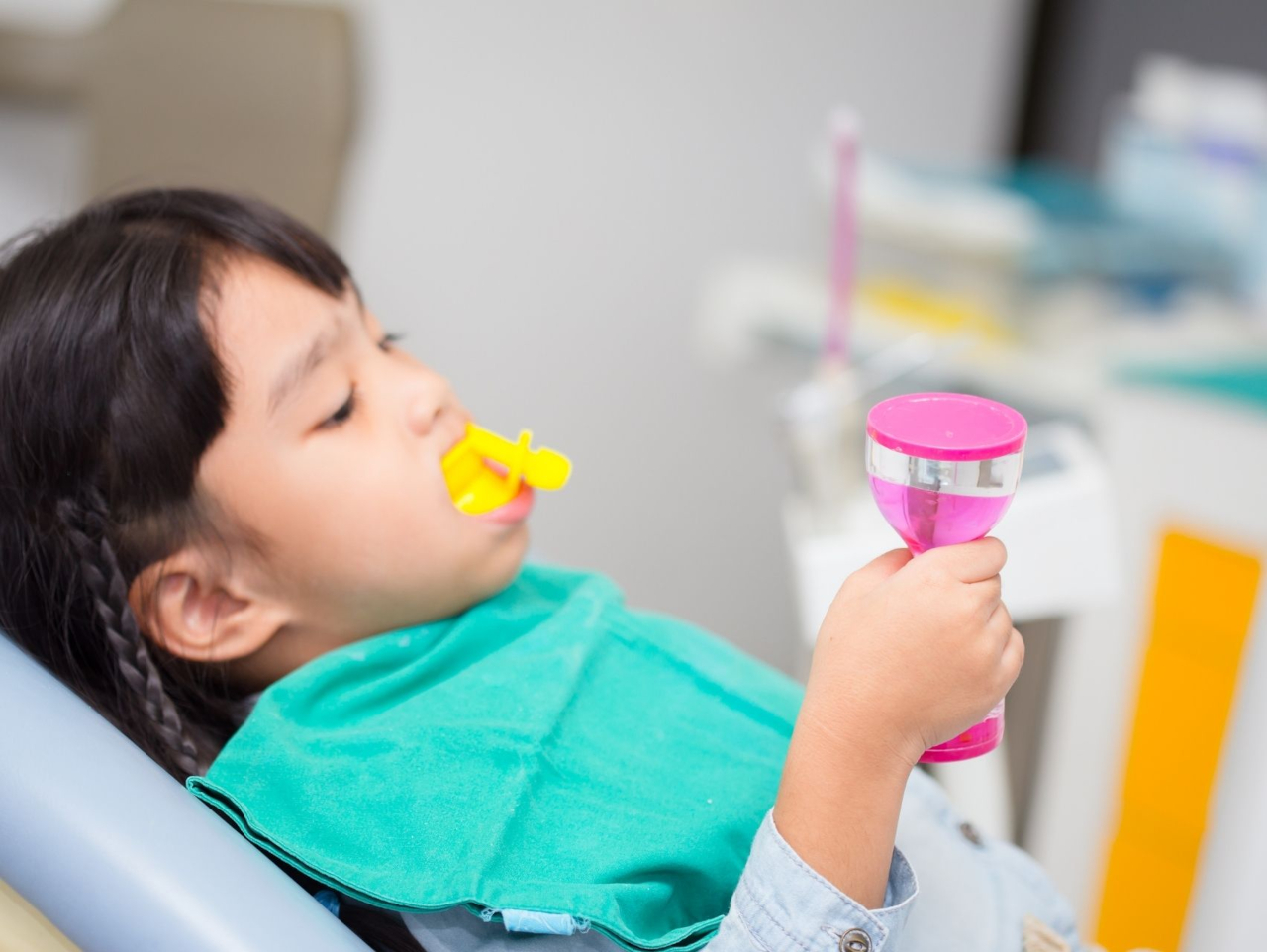
Few things are more unsettling for a parent than hearing their child say their tooth hurts or seeing them come home with a dental injury. Whether it happens during a hockey game, at the playground, or while eating dinner, a child’s dental emergency can leave parents wondering how serious the problem is and what they should do first.
Fortunately, understanding a few important warning signs can help you respond calmly and protect your child’s oral health. Alexandra Park Dental provides family dentistry in Leduc for patients of different ages, including children who need dental examinations, preventive care, and treatment for unexpected oral health concerns.
Although some childhood dental problems can wait for a scheduled appointment, others require prompt attention. Knowing the difference can help you make informed decisions when an accident or sudden toothache occurs.
What Counts as a Dental Emergency for a Child?
A pediatric dental emergency is a dental problem that requires urgent professional assessment because of pain, injury, infection, bleeding, or damage to the teeth and surrounding tissues.
Children may have difficulty explaining exactly where something hurts or how an injury happened. As a result, parents sometimes need to rely on changes in behaviour, eating habits, or visible symptoms.
Common childhood dental emergencies include:
- Severe or persistent toothaches
- Knocked-out permanent teeth
- Broken or fractured teeth
- Loose or displaced teeth following an injury
- Swelling around the gums or face
- Dental infections or suspected abscesses
- Significant bleeding after an oral injury
- Damaged dental fillings or restorations
- Injuries involving the lips, tongue, cheeks, or gums
Not every situation requires the same level of urgency. However, significant pain, swelling, trauma, or bleeding should prompt a call to a dental professional.
What Should You Do If Your Child Has a Severe Toothache?
Toothaches in children can develop for several reasons, including cavities, food trapped between teeth, gum irritation, dental injuries, or infection.
If your child complains of pain, begin by asking where the discomfort is located and whether it started suddenly or gradually.
Next, gently inspect the mouth for visible swelling, redness, food debris, or damage. You can help your child rinse with lukewarm water and carefully clean around the affected tooth.
If swelling is present, a cold compress placed against the outside of the cheek may provide temporary comfort.
Do not place aspirin directly against the gums or tooth. Likewise, avoid giving medication without checking the appropriate age and weight instructions.
If pain is severe, persistent, or accompanied by fever or swelling, contact a dentist promptly. Alexandra Park Dental offers emergency dental care in Leduc for unexpected dental concerns.
What If Your Child Knocks Out a Baby Tooth?
A knocked-out baby tooth should be handled differently from a knocked-out permanent tooth.
If a baby tooth has been completely displaced from its socket, do not attempt to reinsert it. Replanting a baby tooth can potentially damage the developing permanent tooth underneath.
Instead, gently rinse your child’s mouth with water and apply light pressure with clean gauze if there is bleeding.
Contact a dentist promptly to arrange an assessment. The dentist may need to evaluate the surrounding gums, nearby teeth, and underlying structures.
Even though baby teeth eventually fall out naturally, losing one prematurely can sometimes affect the surrounding teeth or require monitoring.
If you are unsure whether the knocked-out tooth is a baby tooth or a permanent tooth, seek dental guidance immediately.
What If Your Child Knocks Out a Permanent Tooth?
A knocked-out permanent tooth is a time-sensitive dental emergency. Prompt action can improve the opportunity for successful treatment.
First, locate the tooth if possible. Pick it up by the crown, which is the part normally visible above the gums, and avoid touching the root.
If the tooth is dirty, rinse it gently without scrubbing or scraping the root surface.
For a permanent tooth, carefully repositioning it into the socket may be appropriate when it can be done safely and without force. If that is not possible, place the tooth in milk or an appropriate tooth preservation solution to keep it moist.
Do not store the tooth in a dry tissue or leave it exposed to air.
Contact an emergency dentist immediately and explain that a permanent tooth has been knocked out. If the injury involves serious head trauma, uncontrolled bleeding, or other medical concerns, seek emergency medical care.
How Should You Handle a Broken Tooth in a Child?
Children can chip or fracture teeth during sports, playground activities, falls, or accidental collisions.
Some small chips cause little discomfort, while deeper fractures may expose sensitive tooth structure and require urgent attention.
If your child breaks a tooth, gently rinse their mouth and inspect the area for bleeding or sharp edges.
If you can find a broken fragment, place it in a clean container and bring it to the dental appointment.
Apply a cold compress to the outside of the cheek if swelling develops. Additionally, encourage your child to avoid chewing on the injured tooth until a dentist has evaluated it.
A tooth can sometimes sustain damage beneath the surface even when the visible chip appears small. Therefore, a dental examination is recommended after significant trauma.
When Does Facial Swelling Require Immediate Attention?
Facial swelling in a child should never be dismissed, particularly when it occurs alongside tooth pain, fever, or difficulty eating.
Swelling may be associated with infection, trauma, or another condition that requires professional evaluation.
Contact a dentist promptly if your child develops swelling around a tooth, along the gums, or in the cheek or jaw.
However, rapidly increasing swelling, difficulty breathing or swallowing, swelling extending toward the eye or neck, or serious systemic symptoms require immediate medical attention.
Do not attempt to drain a swollen area or apply medication directly to the gums without professional instructions.
Early assessment can help determine the source of the problem and the appropriate treatment.
What Happens During a Child’s Emergency Dental Appointment?
A pediatric emergency appointment begins with understanding the problem and helping the child feel as comfortable as possible.
The dental team may ask parents when symptoms began, whether an accident occurred, and whether the child has experienced pain, swelling, bleeding, or changes in eating habits.
Next, the dentist examines the affected area. Dental imaging may be recommended when additional information is needed about the teeth, roots, or surrounding bone.
Depending on the diagnosis, treatment may involve repairing a damaged tooth, addressing decay, managing infection, or monitoring an injured tooth.
When a tooth cannot be preserved, extraction may sometimes be necessary. However, treatment decisions depend on whether the affected tooth is primary or permanent, the child’s age, and the extent of the problem.
Parents should feel comfortable asking questions about the recommended treatment and expected recovery.
How Can Parents Help Children Feel Calm During a Dental Emergency?
Children often look to adults for reassurance when something unexpected happens. Although a dental injury may be stressful, maintaining a calm and supportive approach can make the experience easier.
Begin by explaining what will happen using simple, age-appropriate language. For example, tell your child that the dentist will look at the tooth and help determine how to make it feel better.
Avoid describing treatment using frightening language or making promises about procedures before the dentist has examined the injury.
Instead, focus on what your child can expect, such as having their mouth examined and receiving help for discomfort.
If your child has experienced anxiety during previous dental appointments, let the team know when scheduling the visit.
Alexandra Park Dental also provides sedation dentistry for suitable patients, although the availability and appropriateness of specific options depend on the child’s needs and clinical assessment.
Benefits of Emergency Dental Care for Children
- Prompt assessment of injuries: A dentist can evaluate damaged teeth and surrounding oral tissues after an accident.
- Early identification of infection: Professional assessment can help determine whether pain or swelling is associated with a dental infection.
- Protection of developing teeth: Appropriate treatment can help protect permanent teeth and monitor injuries involving baby teeth.
- Relief from discomfort: Treating the underlying dental problem can help children return to eating, sleeping, and daily activities more comfortably.
- Reduced risk of additional damage: Prompt care may prevent certain injuries or dental conditions from becoming more complicated.
- Guidance for parents: Families receive instructions about home care, follow-up appointments, and warning signs to monitor.
- Support for long-term oral health: Addressing childhood dental problems helps establish a foundation for healthier teeth as children grow.
How to Reduce the Risk of Dental Emergencies in Children
Not every accident can be prevented. However, several everyday habits can help reduce the risk of dental injuries and unexpected tooth pain.
Encourage children to brush twice daily using fluoride toothpaste in an age-appropriate amount. Parents should supervise brushing until children have developed the coordination needed to clean their teeth effectively.
Cleaning between teeth is also important when neighbouring teeth touch.
Additionally, limit frequent sugary snacks and drinks that can contribute to tooth decay. Offering water regularly and encouraging balanced meals can support oral health.
For children involved in sports, ask your dentist about mouthguards. A properly fitted mouthguard can help reduce the severity of some dental injuries during contact activities.
Regular dental appointments are equally valuable. Alexandra Park Dental provides routine checkups and cleanings to help families monitor oral health and identify developing problems.
What Should Be in a Family Dental Emergency Kit?
Keeping a few basic supplies available can make it easier to respond when a dental injury occurs.
Consider including clean gauze, a small container with a secure lid, a cold pack, and the dental office’s contact information.
Parents may also wish to keep an age-appropriate first-aid kit accessible during sports activities and family outings.
However, emergency supplies are only temporary measures. They cannot replace a professional examination when a child has significant dental pain, trauma, or swelling.
Make sure caregivers, coaches, and other responsible adults know how to contact you and what to do if a serious dental injury occurs.
Frequently Asked Questions About Children’s Dental Emergencies
Is a child’s toothache always an emergency?
Not every toothache requires immediate treatment. However, severe, persistent, or worsening pain should be evaluated promptly, particularly when accompanied by swelling or fever.
Should a knocked-out baby tooth be put back?
No. A completely knocked-out baby tooth should not be replanted because doing so can potentially damage the developing permanent tooth.
What if my child chips a tooth but has no pain?
Arrange a dental examination. Even when there is no discomfort, the dentist should evaluate the damage and determine whether treatment is necessary.
Can children develop dental abscesses?
Yes. Dental infections can occur in both baby teeth and permanent teeth. Swelling, persistent pain, or drainage should be assessed promptly.
When should I take my child to the hospital?
Seek immediate medical care for serious head or facial trauma, difficulty breathing or swallowing, uncontrolled bleeding, or rapidly spreading facial swelling.
Can Alexandra Park Dental see children with dental emergencies?
Alexandra Park Dental provides family and emergency dental services in Leduc. Call the office to explain your child’s symptoms and ask about appointment availability.
Help Protect Your Child’s Smile in Leduc
Dental emergencies can happen when families least expect them. Knowing how to respond to a toothache, broken tooth, or dental injury can help protect your child’s oral health and reduce uncertainty during a stressful moment.
If your child is experiencing dental pain or has suffered a dental injury in Leduc, call Alexandra Park Dental at (780) 986-6500 to book an appointment. Our team can help your family understand the appropriate next steps and arrange dental care when needed.